




 1300 454 418
 book online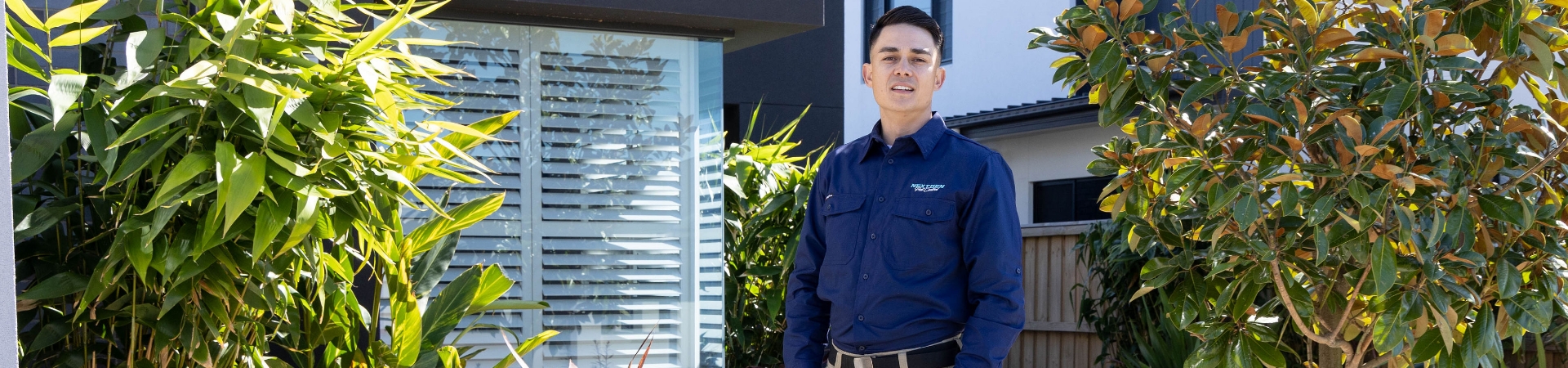


- September 14th, 2026
- Categories: Uncategorized
Is Pest Control Safe for Children and Pets? What Low-Toxicity Treatment Means in Practice
When you have children, pets or a newborn at home, finding a pest infestation is one of the last things you want your family exposed to. You want the pests gone, but at the same time you may also be concerned about what is being sprayed or placed around your home.
The good news is that professional pest control does not have to mean unnecessarily harsh chemical treatments.
Modern residential pest management places safety at the forefront, with eco-friendly products selected for their intended use and applied carefully according to their registered label directions.
But what does “low-toxicity” actually mean in practice? And what should families expect when a pest professional treats their home? Let’s discuss.
What Does Low-Toxicity Pest Control Mean?
Low-toxicity pest control does not mean that the treatment contains no chemicals. Rather, it applies to the use of appropriate pest-control products and methods that minimise unnecessary exposure while still achieving effective pest control.
The goal is to spray the treatment where pests live, hide and travel instead of unnecessarily applying it to areas of the home where your family spends time.
During a pest inspection, a qualified technician must first consider the type of pest, where it is active, how it is entering the property, and what treatment is most appropriate for that particular situation.
At NEXTGEN Pest Control, the products we use are specifically chosen with the health and safety of children, pets and the surrounding environment in mind.
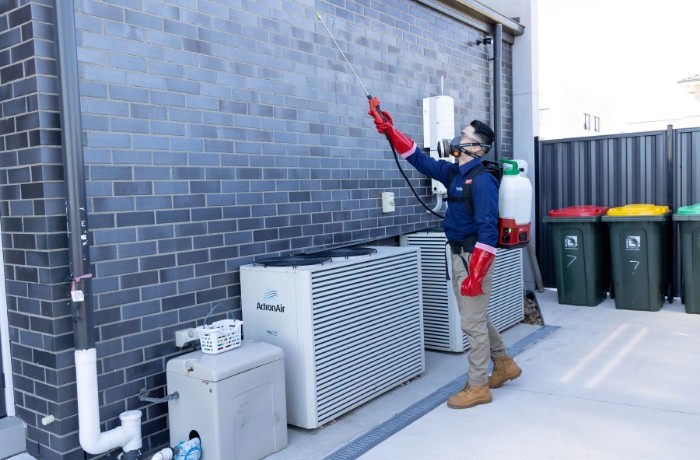
Products are applied strictly according to their APVMA-registered label directions. Our founder Anthony Fryer explains what is being used and what residents need to do while the treatment dries.
This gives homeowners a much clearer understanding of the process rather than leaving them wondering what has been applied throughout their home.
Is Professional Pest Control Safe Around Children and Pets?
The safety of children and pets depends on the chosen product, where it is being applied, how much is used and whether the manufacturer’s directions are followed.
Children and pets spend considerable time close to floors, skirting boards, gardens and other areas where household pests may travel. A treatment plan therefore needs to take the household’s circumstances into account.
For general household pests, Anthony commonly uses BASF Seclira. Rather than blanket-spraying living areas, the product is placed strategically in areas where pests harbour and travel.
It is also a low-odour treatment, making it suitable for situations where homeowners want effective pest control without an unnecessary chemical presence in their living spaces.
Before treatment, we’ll explain the preparation requirements, including whether children or pets need to stay away from treated areas temporarily and when it is appropriate for everyone to return.
Following these instructions is an important part of making treatment as safe as possible.
How Does Low-Toxicity Pest Control Work in a Family Home?
The treatment approach depends on the pest. Cockroaches, ants, spiders, silverfish and fleas are among the common household pests encountered across Sydney’s Northern Beaches and North Shore.
Most of these pests can enter from outside, which is why treating only the inside of a house may not address the entire problem. For this reason, a comprehensive treatment can often include both internal areas and the external perimeter of the property.
For families looking for Pest Control in Fairlight, Freshwater or Cromer, the important question is not simply whether a technician sprays the house. It is whether the treatment is targeted to the pest’s behaviour and applied appropriately.
Here’s a quick example: Instead of covering an entire room with pesticide, a professional may concentrate treatment around infestation areas, entry points, cracks, crevices and other locations where pests are likely to move.
What Should Families Do Before Pest Control?
Before anything is applied, Anthony will provide you with specific preparation instructions based on the treatment being performed. These instructions should always take priority because different products and pest problems require different procedures.
Generally, homeowners may be asked to clear access to areas that need treatment and keep children and pets away from treated areas during the required period.
It is also important not to assume that “low-toxicity” means “safe to touch immediately”. Pest-control products should always be treated as products requiring responsible handling.
Allowing treated areas to dry as instructed and following the technician’s re-entry advice are simple but important steps.
A professional should be willing to explain these requirements clearly rather than expecting homeowners to guess.
How Do We Target Termites?
Termites are different from general household pests and require their own inspection and management approach.
Termite activity can cause significant structural damage, so effective termite management needs to focus on finding the source of the problem, understanding the risk to the property and establishing an appropriate treatment strategy.
NEXTGEN Pest Control approaches termite work separately from general pest control, with inspections carried out to AS 4349.3 and management in accordance with AS 3660.
Depending on the property and circumstances, BASF Termidor or Trelona baiting may be used.
This distinction is particularly relevant for homeowners searching for termite control in Seaforth, Freshwater or Palm Beach. Termite management should not simply be treated as another general pest spray. It requires specialist knowledge and an approach designed specifically for timber pests.
Can Pest Control Be Eco-Friendly?
Eco-friendly pest control is often misunderstood. It does not necessarily mean eliminating every chemical product from the process. Instead, it can mean using an integrated approach that avoids unnecessary applications and focuses treatment where it is actually required.
That can involve targeted products, prevention, perimeter treatment, proofing and addressing conditions that allow pests to thrive.
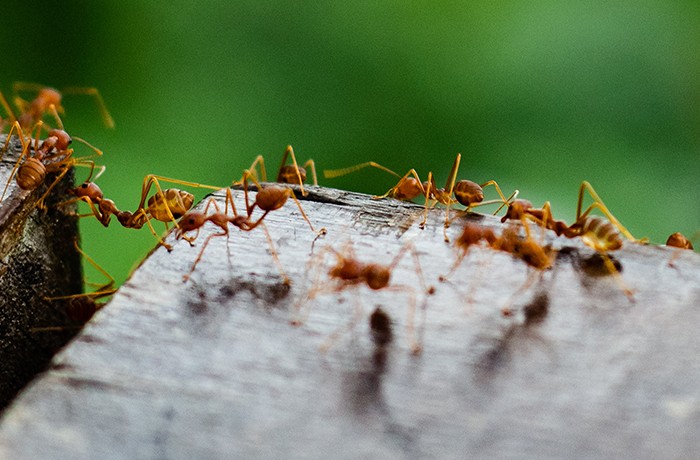
For example, if ants repeatedly enter through a particular access point, simply treating the visible ants may not provide the best long-term solution. Understanding where they are coming from and why they are entering can produce a more effective outcome.
The same principle applies to spiders, cockroaches and other household pests.
For homeowners needing pest control in Fairlight or Cromer, an environmentally conscious approach should therefore be about using the right treatment in the right place, rather than automatically assuming that “green” means chemical-free.
Choosing a Licensed Pest Professional
One of the simplest ways to make residential pest control safer is to choose a properly qualified and licensed pest professional.
NEXTGEN Pest Control is operated by Anthony Fryer, who has run the family business from Cromer since 2023. Anthony holds NSW EPA Pest Management Technician Licence No. 5115417, issued in 2020 with a Timber Pest Control endorsement, currently valid to August 2028.
He is also BASF-accredited across Termidor, Trelona, Seclira and Selontra, holds a Certificate III in Urban Pest Management and has public and products liability insurance.
These qualifications matter because professional pest control involves understanding pest behaviour, product application, safety requirements and the relevant industry standards.
One Visit for Multiple Pest Problems
Homes don’t always have just one pest issue. A property might have ants around the kitchen, spiders around the exterior and cockroaches inside. In other circumstances, homeowners may discover evidence of rodents alongside another household pest.
Where a home has multiple problems, NEXTGEN Pest Control can address them during the same visit where appropriate.
This makes the process simpler for homeowners and allows the treatment plan to consider the property as a whole.
If you’re looking into pest control in Mona Vale, Queenscliff or Cromer, this whole-home approach can be particularly useful when several pest issues appear at once.
NEXTGEN: Safe Pest Control Services in Sydney
Low-toxicity pest control is about using appropriate products responsibly, targeting treatment areas, following APVMA-registered label directions and making sure homeowners understand what has been applied and what they need to do afterwards.
NEXTGEN Pest Control founder, Anthony Fryer combines targeted pest management with a family-focused approach across Sydney’s Northern Beaches and North Shore.
From general household pests to specialist termite and rodent management, the focus is on solving the immediate problem while considering the long-term needs of the home.
If you’re dealing with cockroaches, ants, spiders, silverfish, fleas, rodents or termites, get in touch with NEXTGEN Pest Control today by calling 1300 454 418 for a free, no obligation quote.
FAQ’s
How much does pest control cost on the Northern Beaches?
It depends on the property and the pest. The size of the home or premises, the pest involved, and how far it has spread all change the work, so NEXTGEN quotes each job after an inspection rather than reading a set price down the phone. The inspection-based quote is free and comes with no obligation. Call 1300 454 418 to arrange one.
How quickly can you come out?
Often the same day. NEXTGEN holds time for same-day and emergency bookings, and many Northern Beaches customers are seen within hours of calling. Hours are Monday to Saturday, 6am to 6pm. For an urgent problem, call 1300 454 418 and Anthony will fit you in as soon as he can.
What happens during a pest treatment?
Anthony starts with an inspection to find the pest, the entry points, and the conditions drawing it in. You get a plan and a quote before any work begins, with the products and the reasons for them explained. The treatment is carried out to that plan, and Anthony walks you through each step and leaves you with advice on keeping the problem from returning.